Tuesday, May 19, 2020

More favorite exercises and drills of the best soccer players.


Image source: ymcamontgomery.org

Alexander Sabadash lives and breathes soccer. He follows the top Russian, English, and Spanish leagues religiously and spends a considerable amount of his free time playing games or simply passing the ball around on the field.

For those who are serious about getting better at soccer, Alexander shares a few more exercises and drills which some of the best soccer stars in the world do regularly.

Plyometrics: Soccer players need explosive quickness. Plyometric exercise is an excellent way to strengthen the fast-twitch muscles of the legs.

Image source: dhresource.com
Agility ladders: These ladders can boost footwork, which is a huge part of a soccer player’s game. It can also increase coordination and awareness and leg strength.

Zigzag sprints: A great supplement to agility ladder drills is the zigzag sprints, which increases the ability of a player to change directions and stop at a dime.


Single-leg hops: Normally done through a series of hurdles, Alexander Sabadash mentions this to be one of his favorite drills since it strengthens the legs and adds to one’s leaping ability for headers.

Calf raises: One of the more isolated and focused drills on this list, calf raises aims to increase the power in the lower part of the legs, the part responsible for quick, agile movements.

Friday, April 17, 2020

The football event that is Scotland vs. England


Alexander Sabadash explains that there are some matches in soccer that are more than just matches, that for some fans, are even more significant that championship games. Every Barcelona versus Real Madrid match, every Manchester United versus Manchester City match, every Brazil versus Argentina match -- these are just examples of rivalries that people wait for and follow.

Image Source: theguardian.com
The fierce rivalry between Scotland and England also belongs to that prestigious list. Their match in the 2018 World Cup was more than just a World Cup match. It served as a reminder of how old and how enduring international football really is. In fact, Scotland and England were the first two teams that faced off in the very first international football match on Nov. 30, 1872. That was nearly 150 years ago.

On St. Andrew's Day, on a cricket ground in Scotland, the Scottish national team comprised of 11 players from the Queen's Park Club went up against England, which had nine players from different universities. The game ended in a scoreless draw.

Image Source: express.co.uk
Ever since then, England and Scotland had played in over 110 matches with England winning a few less than 10 more games than Scotland, with 25 draws. There have been immortal goals and unforgettable performances from dozens of English and Scottish players.

And this rivalry will continue, much to the delight of everyone in the global footballing community, Alexander Sabadash included.

Thursday, March 19, 2020

Why the World Cup matters

Image source: fifa.com


As a huge fan and disciple of the beautiful game of football, Alexander Sabadash finds his personal heaven every time the world unites for the World Cup. He has written about the World Cup being a commercial success in the past, but for this blog, Alexander focuses on how much the game brings everyone together, past economics and past territorial boundaries.
Football is a game played in practically every corner of the globe, by people of almost every age. There are countless leagues big and small, amateur and professional, school- and community-based that people join to enjoy the beautiful game. And in these games, millions of people dream of playing like their favorite superstars in the biggest matches of their lives.

And it doesn’t get any bigger than the World Cup, Alexander Sabadash mentions.

Image source: fifa.com
Yes, the World Cup is THE sports league and sports tournament of the world. Nothing comes close. Nothing compares. National teams earn their place to represent their countries with the best of the best playing and showcasing their skills. Yes, these are the same players that billions of people around the world have come to idolize.

Alexander Sabadash compares the World Cup to every football fan’s dream of seeing the current best players go up against each other in more than just friendly competition – pushing each other to the limit.

And once the victor has emerged, the world eagerly waits for another four years.

Wednesday, February 19, 2020

Learning about the World Cup from the eyes of fans.


No other sporting event in the world brings people together quite like the World Cup of soccer. With an even massive viewership compared to that of the Olympics, the World Cup has become the preeminent sporting event of humanity, notes longtime soccer fan Alexander Sabadash.

Image source: bzbexpress.com

However, for new spectators to understand the appeal of the World Cup, they have to look at it from the fans’ perspective.

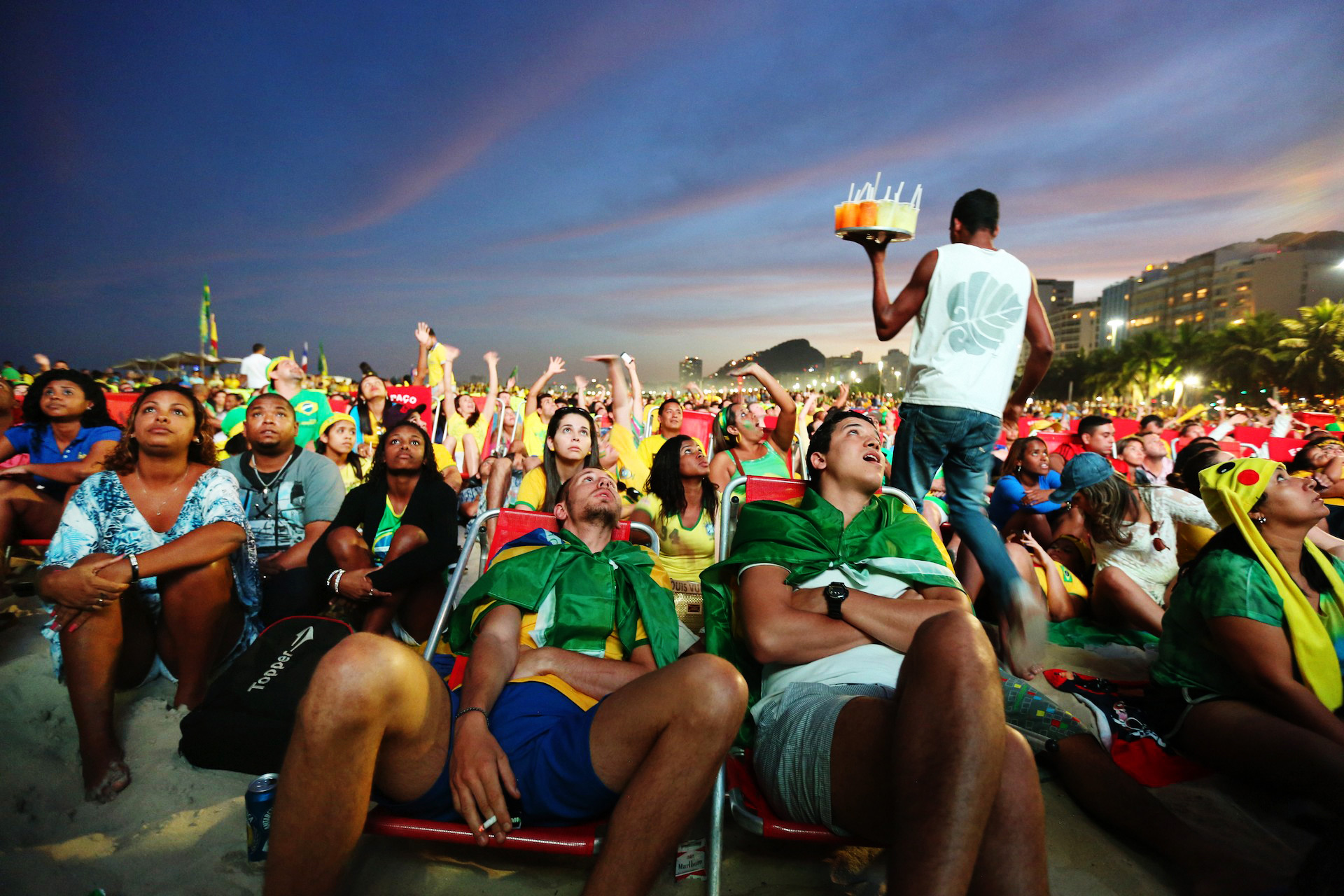
The World Cup is often played in a single country and is usually televised according to the local time of the host nation. But this hasn’t stopped people from dropping everything they are doing or waking up in wee hours of the morning to cheer on their favorite team and players, explains Alexander Sabadash.

Image source: watchingtheworldcup.com
For amateur soccer players and ordinary folks who just love the game, watching the World Cup comes as a very welcome inspiration. For business owners, the World Cup is a great way to see how marketing is done. For restaurant and bar owners, the World Cup is an opportunity to attract customers. And the list of the positive effects of the World Cup on people goes on and on.


Everyone has a World Cup story. What’s yours? Share them with Alexander Sabadash in the comments section below.

Monday, January 20, 2020

Intriguing bios for soccer enthusiasts


Soccer personalities have some of the most exciting stories to tell, which is why soccer biographies are some of the most intriguing pieces of literature out there, explains long-time fan Alexander Sabadash. Not only is soccer the greatest game in the world, but it’s also a universe on its own, with little galaxies in each country, from Russia and England to Spain, Brazil, and Argentina, and so on. On that note, here are some of the best and most intriguing biographies and autobiographies written by global soccer personalities.


Image source: PasteMagazine.com
'Brave New World: Inside Pochettino’s Spurs' by Guillem Balague

Guillem Balague delivers one of the unique perspectives on the life of Tottenham Hotspurs’ Mauricio Pochettino. After coming on board in 2014, Pochettino led the Spurs to the top of the mountain. Fans, notes Alexander Sabadash, will surely appreciate a few, rare, transcribed dialogues between the legendary manager and the people close to him.

Image source: PasteMagazine.com
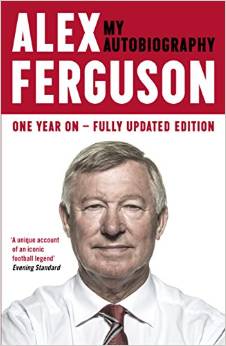
'My Autobiography' by Sir Alex Ferguson

Very few names are as revered in English football as that of Sir Alex Ferguson. His extremely successful run with Manchester United has seen him handle some of the greatest players of the past three decades. In “My Autobiography,” Ferguson expounds on the most important events in his life, and his thoughts on the personalities he’s coached and played with.

'Why Soccer Matters' by Pelé

Pelé, without a doubt, is the greatest soccer player in the history of the game. In fact, he has been cited by many sportswriters and historians as the greatest athlete, period. For this and many other reasons, his book is a must-read for soccer enthusiasts everywhere, adds Alexander Sabadash.

Wednesday, December 11, 2019

Soccer conditioning: Weak leg focus.


Players also practice trapping and catching balls extensively with their weak foot. Alexander Sabadash explains this increases the chance of gaining possession after the proverbial “first touch.” It also adds to a player’s control of the ball.

Image source: teachpe.com

Soccer players in top Russian, English, and Spanish leagues have reached that level by mastering the game, explains longtime fan Alexander Sabadash. Any player will testify that one of the most important things to overcome is the weak leg. Almost every player favors one leg over the other, but the best players can shoot, pass, and dribble with both legs just as well.
Training camps in the best soccer-playing countries have drills for players to overcome their weak leg’s shortcomings. First, players are forced to dribble and juggle with their weak foot as much as they can. Doing this helps players get used to controlling the ball with the weak leg, as well as they do with their favored leg.


Image source: myactivesg.com
Of course, players also practice kicking, passing, and shooting with their weak foot. These drills go beyond simply strengthening the leg. Passing and shooting for hours on end also increase the accuracy and control of the kick of players.

Combining all these training methods for years is the not-so-secret formula of the best soccer players in the world. And players who are serious about making it to the big leagues should follow these drills, adds Alexander Sabadash.

Friday, November 22, 2019

World football: A primer on the basic positions


Without a doubt, football (or soccer) is the biggest sport in the world. People of all ages everywhere, from Russia, England, and Spain to Brazil, the U.S., and even Japan all play this beautiful game.

For those who plan to take it up soon, longtime soccer fan Alexander Sabadash lists the basic positions in a team.

Image source: futeboldistritalsantarem.pt
Forward: Forwards are the players who attack the opposition’s defense. They go after the ball and attempt to score. The striker is the number one option for scoring, but other forwards move up as well to try and score a goal.


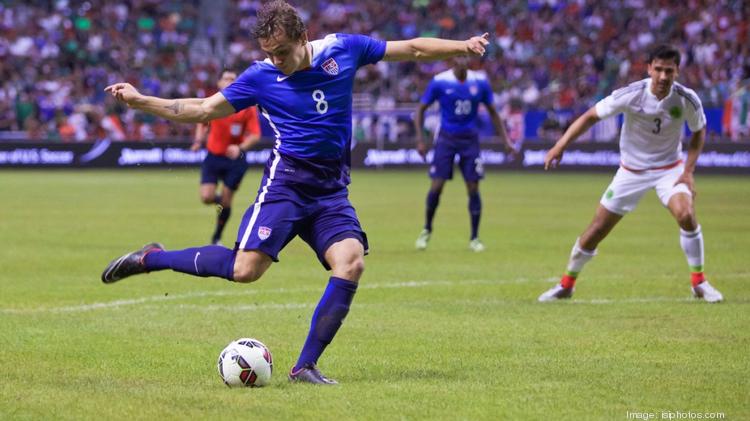
Midfield: Midfielders go up and down the pitch to defend or make plays for the forwards to score. Most of the time, the ball goes through the midfield in hopes for a break toward the opposing team’s goal. Alexander Sabadash notes that the best midfielders are great passers of the ball, and they can keep possession of the ball for a long time.


Image source: bizjournals.com
Defenders: As the designation suggests, defenders defend the team’s goal from the opposing team’s forwards. They make sure that, if the ball gets too close to their goal, they send it right back up the field. Alexander Sabadash explains that the last line of defense is the goalkeeper, who is the only person able to use his hands when the ball is in play.